Our Program
Program Purpose
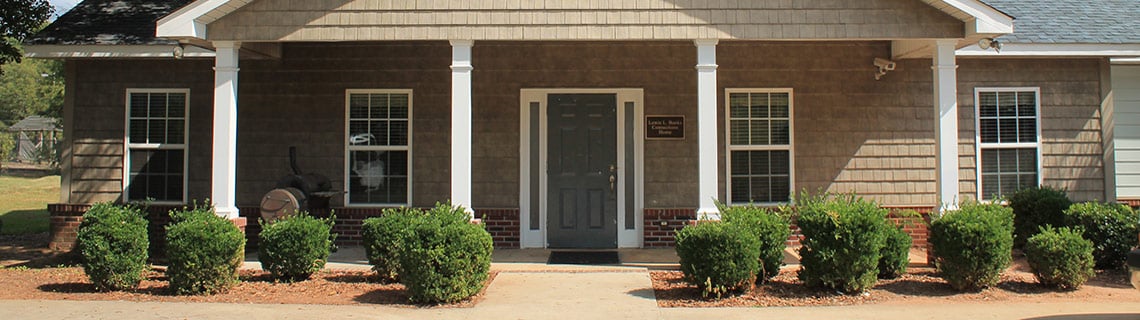
 Connections is designed to connect residents, ages 14-21, to community, family, and resources for long-term success. This program functions as a step-down for residents who have successfully completed intensive treatment.
What We Do
As the name implies, Connections is designed to connect residents to community, family, and resources for long-term success. This program functions as a step-down for residents who have successfully completed intensive treatment.
In order for youth to learn the skills necessary to adjust to community living they will be provided information and guidance in the following areas, including but not limited to:
- Relapse prevention
- Relationships
- Understanding sexuality and the development of healthy personal values
- Social and problem-solving skills
- Daily living skills, (money management, medication management, problem solving, applying for a job, applying for financial assistance to colleges or training programs, auto maintenance, gardening, shopping for meals, nutrition management, chores, cooking, and any other basic living skills)
- Substance abuse prevention and self-management
- Healthcare and fitness (lessons on nutrition, self-control, personal hygiene, exercise and health)
- Leisure activities development including school sports and extracurricular
- Knowledge of community resources (learning through newspaper, television, books, community contacts, etc.)
- Citizenship responsibilities (volunteer projects, knowledge and understanding of current events, etc.)
- Knowledge of and access to legal services (learning about your rights, how to access services and information, and how to be a strong self-advocate, how to vote)
- Cultural and spiritual resources
- Job skills (interviewing skills, how to complete an application)
- Educational Resources (college, public schools)
In addition to the above services, all Connections’ residents are referred for outpatient psychological services. Highly qualified clinicians working with the youth continue to address issues related to past sexual problems as well as issues related to their current diagnosis. Connections staff ensures residents attend all scheduled therapy appointments. Active participation is encouraged for all individual, group and family sessions. Learn more about our Community Counseling Program.
Who We Serve
Lewis L. Banks Connections Group Home serves youth ages 14-21, who are in State custody. Youth must be admitted to a Twin Cedars residential program, prior to turning age 18. This program is designed for youth who have a history of sexually aggressive behaviors, and serves as a “step-down” for youth who have successfully completed more intensive treatment programs.
Our Goal
To work with youth on developing the skills necessary to successfully transition home with family, home with a foster or adoptive family, and/or to independent living. In reviewing our outcome data for FY 2014, 100% of residents discharged to a less restrictive placement. Our residents indicated through monthly random surveys, a 96% satisfaction rating.
Our History
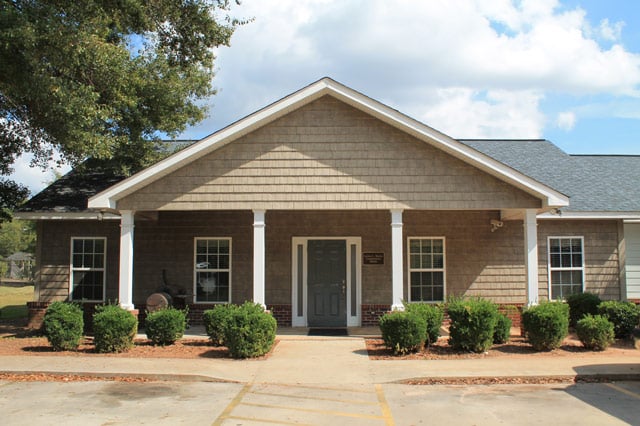
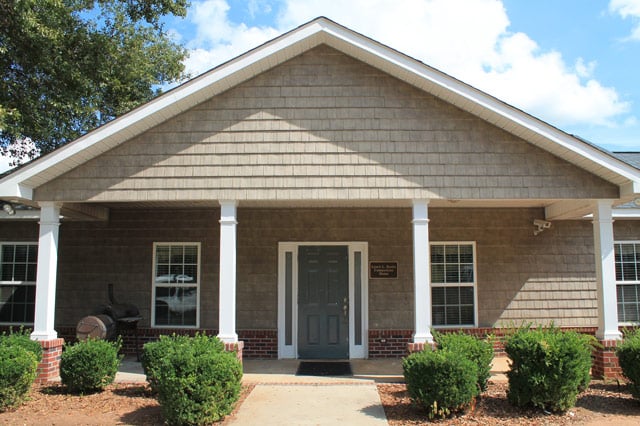
The Lewis L. Banks Connections Group Home was opened in response to a need for a less restrictive alternative for youth who had completed more intensive treatment, and were ready to integrate back into the community in a step-down environment. Lewis Banks served on the original Board of Directors of West Georgia Youth Council. Mr. Banks was an educator in Troup County and was very active in youth services in the community. The home is named in his honor.
Gallery
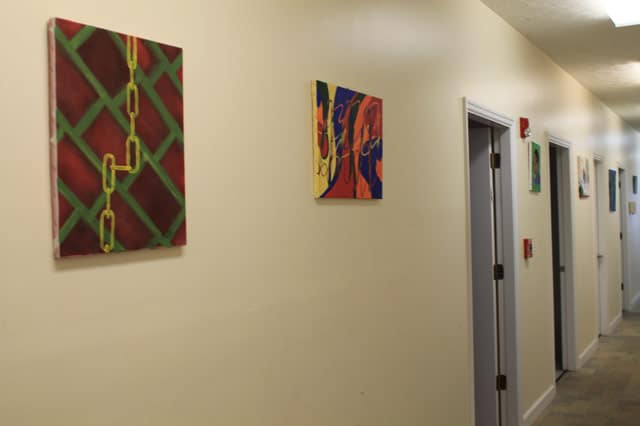
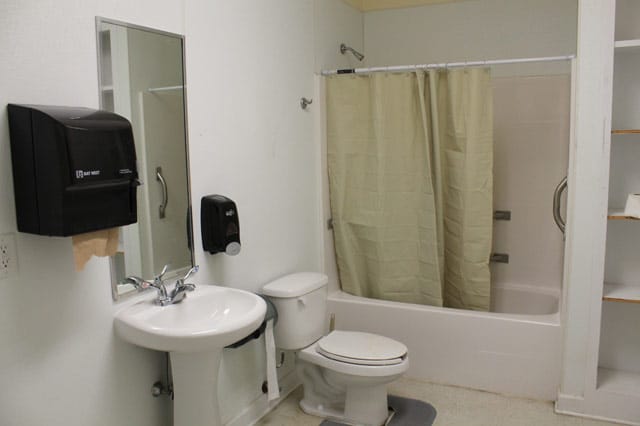
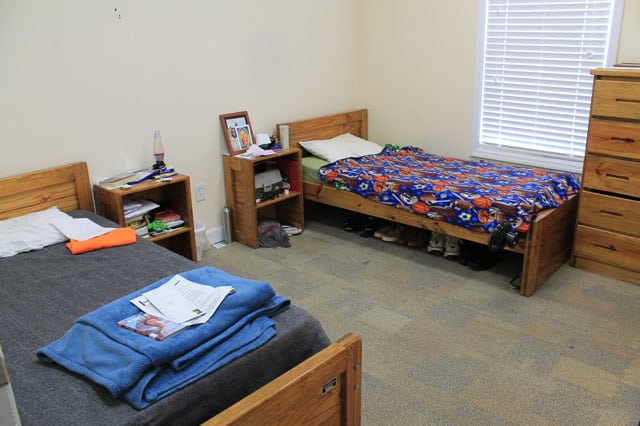
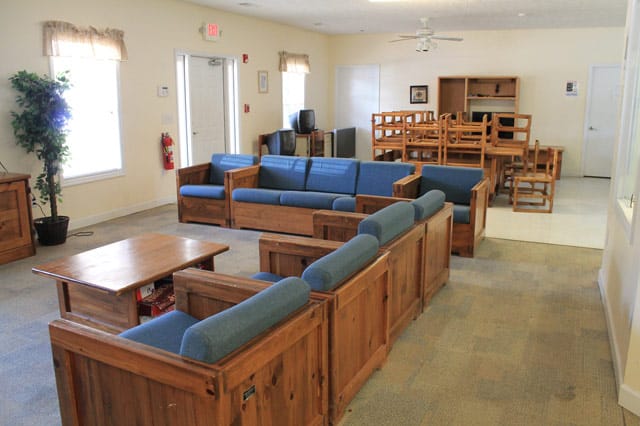
Referrals
To make a referral, please contact Tonya Daniel, Intake Coordinator at 706-884-1717, Ext. 1106 or email tdaniel@twincedars.org.
Contact Info
Lewis L. Banks “Connections” Group Home
Physical/Mailing Address
Lewis L. Banks “Connections” Group Home
1055 E. Depot Street
LaGrange, GA 30241
Phone
706-882-4437
Fax
706-882-4441
Primary Contact
Scotty Alexander, (706) 302-1001, (706) 882-4441 ext. 1138 salexander@twincedars.org